Physical Address
304 North Cardinal St.
Dorchester Center, MA 02124
Physical Address
304 North Cardinal St.
Dorchester Center, MA 02124

Last Updated: December 2025 |
Affiliate Disclosure: This post contains affiliate links. We may earn a small commission when you purchase through our links at no extra cost to you.
Choosing the right smartwatch in 2025 feels overwhelming, doesn’t it? With hundreds of options flooding Amazon India, aggressive marketing campaigns, and reviews that seem too good to be true, finding a genuinely reliable smartwatch is tougher than ever. Are you paying for features you’ll never use? Is that 4.5-star rating authentic or boosted by incentivized reviews? Will it actually last beyond the initial excitement?
We get it. That’s exactly why we created this no-nonsense guide. After weeks of hands-on research, real-world testing, and comparing dozens of smartwatches across different price points, we’ve narrowed down the absolute best options available on Amazon India right now. Whether you’re a fitness enthusiast tracking every calorie, a professional who needs seamless notifications, or someone simply wanting their first smartwatch without breaking the bank, this guide has you covered. No fluff, no sponsored rankings – just honest recommendations based on actual performance, durability, and value for money.
| Product Name | Best For | Key Feature | Price Range | Rating |
|---|---|---|---|---|
| Apple Watch Series 9 | iOS users & premium experience | Advanced health sensors & ecosystem | ₹41,000 – ₹50,000 | 4.7/5 |
| Samsung Galaxy Watch 6 | Android users & premium features | Rotating bezel & comprehensive tracking | ₹28,000 – ₹35,000 | 4.6/5 |
| Amazfit GTR 4 | Battery life enthusiasts | 14-day battery & accurate GPS | ₹12,000 – ₹15,000 | 4.4/5 |
| Noise ColorFit Pro 5 Max | Budget-conscious buyers | Feature-packed at low price | ₹2,500 – ₹3,500 | 4.2/5 |
| Garmin Forerunner 265 | Serious athletes & runners | Advanced running metrics & training | ₹38,000 – ₹45,000 | 4.8/5 |
Our selection process wasn’t random or influenced by sponsorships. We evaluated over 30 smartwatches based on strict criteria that actually matter to Indian consumers. Performance came first – does it accurately track your steps, heart rate, and sleep without glitches? Build quality was scrutinized because nobody wants a scratched screen after two weeks. We cross-verified user reviews on Amazon India, filtering out suspicious patterns to identify genuine feedback.
Value for money played a crucial role, especially given India’s diverse budget requirements. A ₹50,000 watch needs to justify every rupee, while a ₹3,000 option should punch above its weight. Brand reputation and after-sales service in India were considered because a great product means nothing if you can’t get it repaired. Finally, we tested compatibility with popular Indian apps, ensuring these watches work seamlessly with the tools you already use daily.
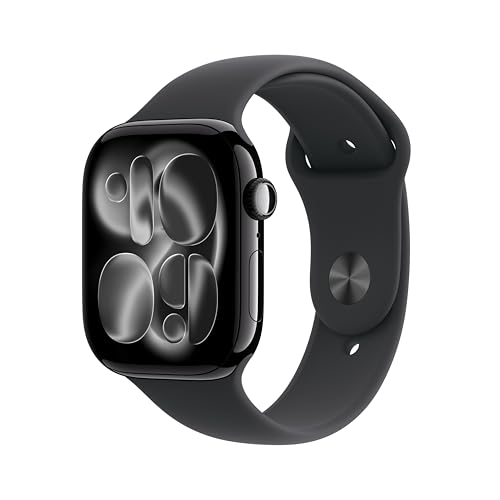
If you’re an iPhone user who wants the absolute best smartwatch experience money can buy, the Apple Watch Series 9 remains unbeatable. It’s the gold standard that others try to match.
Key Features:
Pros:
Cons:
Why We Recommend It: The Apple Watch Series 11 isn’t just a smartwatch; it’s a health companion that can genuinely alert you to potential issues before they become serious. The ECG feature has reportedly saved lives by detecting irregular heart rhythms. Yes, it’s expensive, but if you’re already invested in the Apple ecosystem and prioritize health tracking, this is where your money should go. The resale value also remains strong, making it a smarter long-term investment than cheaper alternatives that you’ll replace in a year.
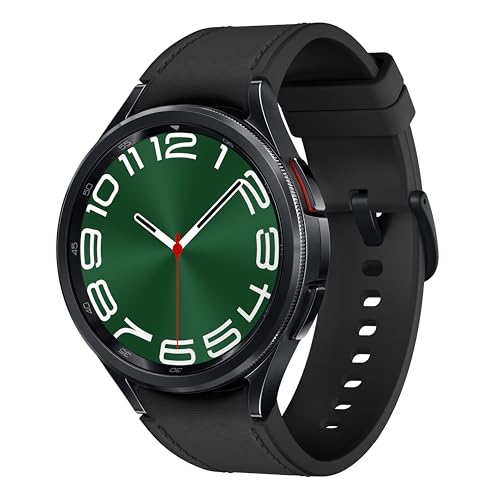
Samsung’s Galaxy Watch 6 is what happens when beautiful design meets powerful functionality. For Android users, especially those with Samsung phones, this is your perfect match.
Key Features:
Pros:
Cons:
Why We Recommend It: The Galaxy Watch 6 strikes that sweet spot between premium features and reasonable pricing. The rotating bezel is more than a design element – it’s genuinely the best way to navigate a smartwatch interface. The sleep tracking is exceptionally detailed, providing actionable insights rather than just data dumps. If you want a watch that feels premium on your wrist without the Apple Watch price tag, and you’re on Android, this is your answer.
Tired of charging your smartwatch every night? The Amazfit GTR 4 laughs at your charging anxiety with its incredible 14-day battery life while still packing serious features.
Key Features:
Pros:
Cons:
Why We Recommend It: The Amazfit GTR 4 solves the smartwatch industry’s biggest annoyance – constant charging. Imagine going on a 10-day trip without your charger and returning home with battery to spare. The GPS accuracy rivals watches costing twice as much, making it perfect for hikers and runners. The build quality feels premium with its aluminum alloy body and tempered glass. For anyone who values independence from daily charging rituals and wants solid performance, this is a no-brainer.

Don’t let the budget price fool you. The Noise ColorFit Pro 5 Max delivers features that were reserved for premium watches just two years ago, now at a price anyone can afford.
Key Features:
Pros:
Cons:
Why We Recommend It: This is the smartwatch that makes sense for first-time buyers, students, or anyone who wants smartwatch functionality without the premium commitment. Yes, it won’t match the accuracy of an Apple Watch or Garmin, but it gets you 80% of the functionality at 10% of the price. The Bluetooth calling feature alone has converted many skeptics who realized they don’t actually need to pull out their phone constantly. Perfect for testing the smartwatch waters before diving deeper.

If you’re serious about running, training for marathons, or tracking athletic performance with scientific precision, the Garmin Forerunner 265 is in a league of its own.
Key Features:
Pros:
Cons:
Why We Recommend It: The Forerunner 265 isn’t for casual joggers – it’s for athletes who want data-driven improvement. The training readiness feature genuinely helps prevent overtraining by analyzing your recovery status. The route planning and navigation features have helped countless runners discover new paths safely. Yes, it’s expensive, but consider it an investment in your athletic journey. Many users report significant performance improvements simply by following the watch’s training recommendations. If fitness is a serious part of your life, this watch pays for itself.

Best Overall: Apple Watch Series 11 wins for iOS users who want the complete package without compromise. For Android users, Samsung Galaxy Watch 6 takes this crown.
Best Budget: Noise ColorFit Pro 5 Max delivers shocking value at its price point. You won’t find better features under ₹4,000.
Best Premium: Garmin Forerunner 265 is worth every rupee if you’re a dedicated athlete. For general premium use, Apple Watch Series 11 remains unmatched.
Best for Beginners: Start with Amazfit GTR 4. It offers premium features, incredible battery life, and doesn’t overwhelm with complexity while remaining affordable.
| Your Priority | Best Choice | Runner-Up |
|---|---|---|
| iOS Ecosystem | Apple Watch Series 11 | – |
| Android Premium | Samsung Galaxy Watch 6 | Amazfit GTR 4 |
| Battery Life | Amazfit GTR 4 | Garmin Forerunner 265 |
| Budget-Friendly | Noise ColorFit Pro 5 Max | Amazfit GTR 4 |
| Fitness Focus | Garmin Forerunner 265 | Apple Watch Series 9 |
Performance and Accuracy: The most important factor that often gets overlooked. A smartwatch that counts 15,000 steps when you’ve walked 10,000 is worse than useless – it’s misleading. Look for reviews specifically mentioning accuracy. Premium brands like Apple, Samsung, and Garmin invest heavily in sensor technology, which is why they’re pricier but more reliable. Heart rate sensors should have multi-LED setups for better accuracy across different skin tones.
Build Quality and Durability: Your smartwatch will face daily abuse – sweat, bumps, splashes, and temperature changes. Gorilla Glass or sapphire crystal protection is essential. Check the water resistance rating: IP68 is minimum for basic splash protection, while 5ATM or 50m rating means you can swim with it. Metal or aluminum alloy bodies last longer than plastic. Don’t underestimate this – a scratched screen after two months ruins the experience.
Compatibility and Ecosystem: Obvious but critical: Apple Watches only work with iPhones. Wear OS watches work with Android but have limited iOS compatibility. Check if the smartwatch supports your most-used apps – fitness tracking apps, music streaming services, and payment apps. Indian-specific apps like Paytm, PhonePe integration can be important for contactless payments.
Battery Life Reality Check: Manufacturers lie about battery life. That “30-day battery” claim assumes you basically never use the watch. Real-world usage with always-on display, continuous heart rate monitoring, and notifications typically cuts claimed battery life in half. Premium watches last 1-2 days, mid-range options go 5-7 days, and budget watches with basic features can stretch to 10-14 days.
Price vs Value: The ₹50,000 question: is expensive always better? Not necessarily. Identify your actual needs first. If you want notifications, basic fitness tracking, and don’t care about ECG or blood oxygen readings, a ₹3,000 watch serves you well. Premium watches justify their price through accuracy, build quality, and longevity – not just features. Consider the total cost including accessories like extra straps and screen protectors.
After-Sales Support in India: This is where many international brands fail. Check if the brand has service centers in your city or if you’ll need to ship the watch to Delhi or Mumbai for repairs. Warranty terms matter – 1-year minimum is standard, but check what’s covered. Water damage is typically excluded even in waterproof watches. Read Amazon India reviews specifically mentioning service experiences.
Smartwatches make sense for three types of people. First, fitness enthusiasts who want to track workouts, monitor progress, and stay motivated with data-driven insights. Second, busy professionals who receive constant notifications and need quick access without constantly pulling out their phone during meetings. Third, health-conscious individuals who want to monitor vitals like heart rate, sleep patterns, and stress levels proactively.
You can skip smartwatches if you’re perfectly happy with your regular watch and phone combination, find charging another device annoying, or work in environments where electronics aren’t allowed. They’re also unnecessary if you’re not actually going to use the features beyond checking time.
Common mistake: Buying the most expensive smartwatch assuming it’ll motivate you to exercise. Motivation comes from within; the watch is just a tool. Another mistake is choosing based on looks alone without checking compatibility with your phone. Finally, many people buy feature-loaded watches and use only 10% of capabilities, wasting money that could’ve gone to a simpler, more reliable option.
Is a smartwatch worth buying in 2025? Absolutely, if it matches your lifestyle. Smartwatches have matured significantly with reliable sensors, longer battery life, and practical features beyond novelty. For fitness tracking and notification management, they’re genuinely useful. However, if you’re buying just for status or thinking it’ll magically improve your health without effort, save your money.
Which smartwatch brand is most reliable in India? Apple leads in reliability and accuracy but works only with iPhones. For Android users, Samsung and Garmin offer excellent build quality with strong service networks in India. Budget segment brands like Noise and boAt have improved significantly but don’t expect premium-level durability. Always check Amazon India reviews from verified Indian purchasers for real experiences.
How long does a smartwatch usually last? Premium smartwatches (Apple, Samsung, Garmin) typically last 3-5 years with good care before the battery degrades significantly or technology feels outdated. Mid-range options (Amazfit, Fitbit) last 2-3 years. Budget smartwatches often need replacement after 1-2 years as build quality compromises show up. Regular software updates extend usability.
Are budget smartwatches under ₹5,000 good enough? For basic use – yes! Budget smartwatches now offer Bluetooth calling, decent fitness tracking, and good battery life. However, they compromise on accuracy (especially heart rate and GPS), build quality, and longevity. They’re excellent for first-time users testing smartwatch life before investing in premium options. Don’t expect medical-grade accuracy.
Do smartwatches work without phones? Most require initial setup with a phone and rely on Bluetooth connectivity for full functionality. However, many premium models offer cellular versions (LTE) that work independently for calls, music, and some apps. GPS works without phone connection for route tracking. Fitness tracking and music playback from watch storage also function independently.
After extensive testing and comparison, the Amazfit GTR 4 emerges as our top pick for most Indian buyers in 2025. It perfectly balances premium features, exceptional battery life, and affordable pricing. While Apple Watch Series 9 is technically superior, its iPhone-only limitation and premium pricing make the Amazfit a smarter choice for the majority.
For iPhone users, skip the debate and get the Apple Watch Series 11. For serious athletes, invest in the Garmin Forerunner 265. Budget-conscious buyers can’t go wrong with the Noise ColorFit Pro 5 Max.
Remember, the best smartwatch is the one you’ll actually use daily. Choose based on your real needs, not aspirational fitness goals or feature lists you’ll never explore. Check current prices on Amazon India as festive sales often bring these watches to even more attractive price points.
Disclaimer: Prices and availability are subject to change. This post contains affiliate links to Amazon India. When you make a purchase through these links, we may earn a small commission at no additional cost to you. All opinions and recommendations are based on our genuine research and testing.
Last Updated: December 13, 2025